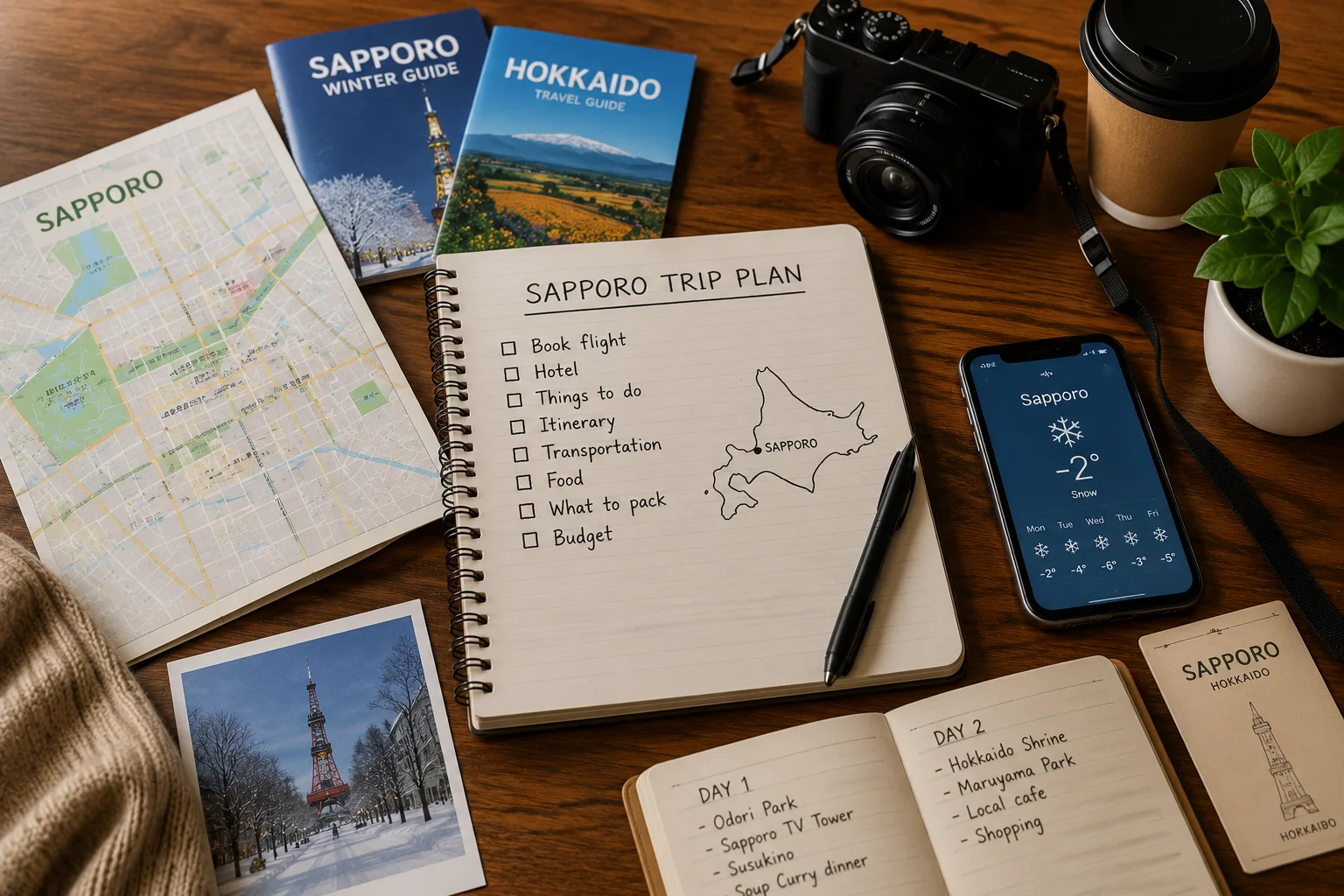
Planning a trip to Sapporo can be an exciting part of visiting Hokkaido. The city offers a combination of urban attractions, seasonal scenery, local food, shopping, cultural experiences, and easy access to destinations beyond the city center. Because there is so much to see and do, having a basic plan can make the journey more comfortable without making the trip feel overly structured.
A good trip plan should consider more than just which attractions to visit. Transportation, weather, accommodation, daily pacing, dining, and the purpose of the trip can all influence how enjoyable the experience becomes.
Rather than trying to fit everything into a short stay, travelers can focus on creating a balanced schedule that leaves enough time for exploration, meals, rest, and unexpected discoveries.
Understanding Sapporo Before Your Trip
Sapporo is one of Japan’s major cities and serves as an important gateway to Hokkaido. Its urban environment makes it convenient for travelers who want access to restaurants, shopping, cultural attractions, and transportation while also providing opportunities to explore the wider region.
A city with distinct seasons
The character of Sapporo changes significantly throughout the year.
Summer brings longer days and opportunities for outdoor exploration, while autumn introduces colorful foliage and cooler temperatures. Winter transforms the city with snow and creates a completely different atmosphere, while spring brings milder weather and the gradual return of greenery.
The season of your visit can therefore influence what you pack, which activities you choose, and how much time you want to spend outdoors.
Think about the purpose of your trip
Before creating a detailed itinerary, consider what you want from your visit.
Some travelers may prioritize food and restaurants. Others may be interested in culture, shopping, outdoor activities, photography, or simply enjoying a slower city break.
Defining your priorities first makes it easier to decide which experiences deserve the most time.
Choosing the Right Time for Your Visit
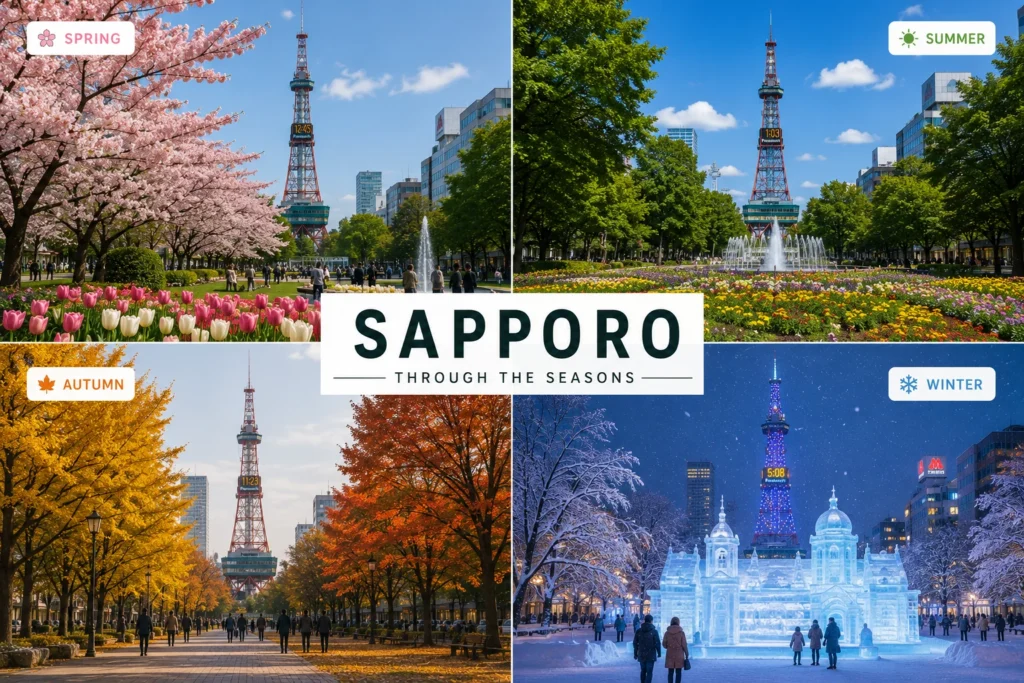
There is no single perfect time to visit Sapporo. Each season offers a different experience.
Summer for outdoor exploration
Summer can be a comfortable period for exploring parks, walking through different neighborhoods, and taking day trips.
Longer daylight hours also provide greater flexibility when arranging sightseeing activities.
Travelers who enjoy spending time outdoors may find this season particularly appealing.
Autumn for comfortable sightseeing
Autumn brings cooler temperatures and seasonal scenery. Walking around the city can become particularly enjoyable when the weather is comfortable and foliage begins to change.
It can also be a good period for travelers who want to combine urban sightseeing with scenic excursions.
Winter for snow experiences
Winter is one of Sapporo’s defining travel seasons. Snow-covered streets and seasonal events create experiences that are very different from those available during warmer months.
Travelers visiting during winter should prepare carefully for cold temperatures and potentially slippery conditions.
Spring for a quieter atmosphere
Spring can offer a more gradual transition into warmer weather. Travelers may enjoy parks and outdoor areas as the landscape begins to change.
The exact conditions can vary, so flexibility is useful when planning outdoor activities.
Building a Practical Itinerary
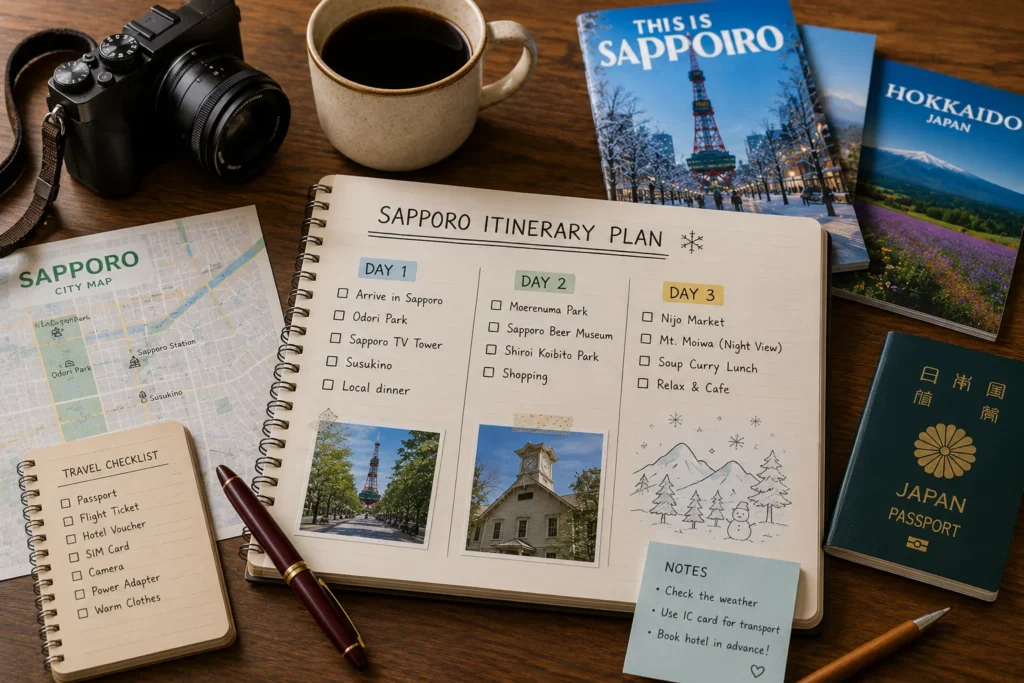
An itinerary does not need to account for every minute of the day.
Group nearby attractions
One of the easiest ways to make sightseeing more efficient is to group destinations located in the same general area.
Instead of repeatedly crossing the city, travelers can explore one neighborhood or district at a time.
This saves transportation time and creates opportunities to discover cafés, stores, and smaller attractions along the way.
Avoid overloading each day
It can be tempting to add as many attractions as possible to a short vacation. However, an overly ambitious schedule can make the trip exhausting.
A better approach is to select a few priority experiences and leave some open time around them.
This allows travelers to stay flexible if weather changes, an attraction takes longer than expected, or an interesting restaurant catches their attention.
Leave time for meals
Food is an important part of the Sapporo experience, so dining should not be treated as an afterthought.
Travelers can build their itinerary around meals when visiting restaurants that are particularly important to them.
This is especially useful for popular dining experiences that may require advance reservations.
Planning Transportation
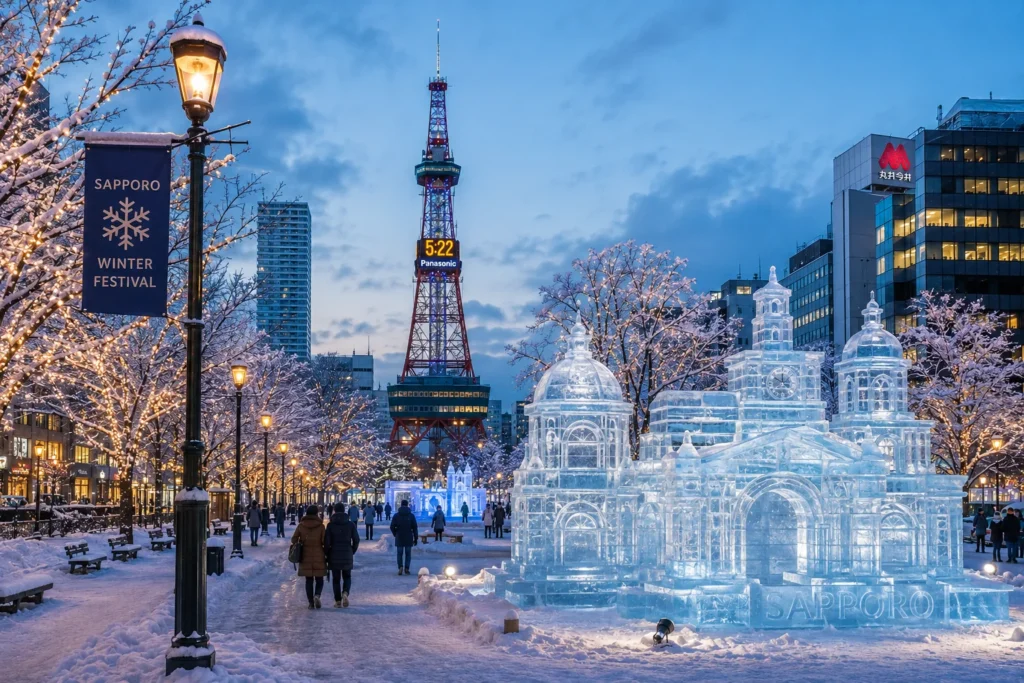
Transportation can have a major impact on how efficiently travelers move around Sapporo.
Use public transportation strategically
Sapporo’s public transportation network can help travelers reach many parts of the city without relying entirely on taxis.
When planning each day, consider which destinations can be connected conveniently and when walking may be practical.
Using transportation for longer distances and exploring shorter sections on foot can create a comfortable balance.
Consider walking between nearby destinations
Walking can turn transportation time into part of the sightseeing experience.
When two destinations are reasonably close, walking may provide an opportunity to see more of the city and discover places that would otherwise be missed.
This can also add natural movement to the day without requiring a separate exercise session.
Selecting an Area for Your Stay
Where you stay can influence the overall rhythm of your trip.
Consider access to transportation
Travelers who plan to visit several areas may benefit from staying somewhere with convenient transportation connections.
Easy access can reduce the amount of time spent commuting and make it simpler to return after a long day.
Think about your daily itinerary
The best location depends partly on what you plan to do.
Travelers focused on dining may prioritize access to restaurant districts, while shoppers may prefer proximity to major retail areas. Visitors planning frequent day trips may value convenient transportation connections.
There is no universally ideal location for every traveler.
Consider the hotel experience itself
Accommodation can also be an important part of the journey rather than simply a place to sleep.
Travelers may want to consider room comfort, service, dining options, guest facilities, and the atmosphere of the property.
Those looking for a more refined accommodation experience can explore a best sapporo luxury hotel option as part of their planning process.
The goal is to choose accommodation that complements the rest of the itinerary rather than evaluating it separately.
Planning Your Dining Experiences
Sapporo is strongly associated with Hokkaido’s food culture, making dining an important consideration when organizing a trip.
Try regional ingredients
Hokkaido is known for seafood, dairy products, vegetables, and other agricultural ingredients.
Depending on the season, travelers can look for local specialties and dishes that highlight ingredients from the region.
Trying different styles of cuisine can also provide a broader understanding of the destination.
Mix formal and casual dining
A trip does not need to consist entirely of high-end restaurants.
Travelers can combine carefully selected dining experiences with casual local restaurants, cafés, markets, and other food stops.
This creates variety and prevents the itinerary from becoming too repetitive.
Make reservations when necessary
Popular restaurants may have limited seating or specific reservation policies.
If a particular restaurant is an important part of the trip, checking its reservation requirements before arrival can prevent disappointment.
Planning for Different Types of Travelers
The ideal itinerary can vary significantly depending on who is traveling.
Solo travelers
Solo travelers have the flexibility to adjust their schedules according to their own interests.
They can spend more time in a favorite neighborhood, change plans spontaneously, or dedicate an entire afternoon to food, shopping, or photography.
Couples
Couples may prefer a balanced schedule that combines sightseeing with dining and relaxed experiences.
An itinerary with fewer destinations but more time at each location can make the trip feel more comfortable and memorable.
Families
Families may need to consider shorter travel distances, rest periods, and activities suitable for different ages.
Rather than planning a packed schedule, it can be useful to alternate active sightseeing with slower periods.
Business travelers
Business travelers may have limited free time, making location and transportation particularly important.
A short evening itinerary might focus on a convenient dining area, while a free morning could be used for a nearby attraction.
Preparing for Sapporo Weather
Weather preparation is particularly important because conditions can vary considerably between seasons.
Dress according to the season
Summer visitors may need lightweight clothing, while autumn and spring can require layers.
Winter travelers should prepare for cold temperatures, snow, and potentially icy surfaces.
Comfortable clothing can make a significant difference when spending several hours outdoors.
Prepare for changing conditions
Weather can influence outdoor plans, so having alternative activities is useful.
For example, travelers can have indoor attractions, shopping, dining, or cultural experiences available as alternatives when outdoor conditions become uncomfortable.
This keeps the itinerary flexible without requiring major changes.
Creating a Balanced Daily Schedule
A comfortable trip is often more enjoyable when each day has a natural rhythm.
Start with one main activity
Rather than planning five major attractions in a single day, travelers can choose one or two priorities.
The rest of the day can be filled with nearby experiences, meals, shopping, or relaxed exploration.
Include breaks
Breaks are particularly important during days with extensive walking.
A café stop, relaxed lunch, or return to the accommodation can help travelers maintain their energy.
Keep evenings flexible
Not every evening needs to be filled with activities.
Some travelers may prefer a special dinner, while others may want to return early and rest before the next day.
Flexibility is especially valuable during longer trips.
Adding Day Trips to Your Plans
Sapporo can also serve as a base for exploring other parts of Hokkaido.
Decide whether a day trip fits your schedule
Day trips can add variety to a vacation, but they also require additional travel time.
Before adding one, consider how much time will remain for exploring Sapporo itself.
For shorter visits, focusing on the city may be more practical. Longer stays provide greater flexibility for excursions.
Avoid adding too many excursions
It can be tempting to visit several destinations outside the city.
However, too many day trips can make the vacation feel like a transportation schedule rather than a relaxing journey.
Choose destinations that genuinely match your interests and allow enough time to enjoy them.
Planning Around Your Personal Interests
The most effective travel plans are based on individual priorities.
Food-focused trips
Travelers interested in cuisine can create an itinerary around restaurants, local specialties, markets, cafés, and seasonal ingredients.
This approach allows food to become a central part of the journey.
Culture-focused trips
Visitors interested in history and culture can prioritize museums, historic areas, architecture, and local cultural experiences.
Leaving additional time at each attraction can make the experience more meaningful.
Shopping-focused trips
Travelers interested in shopping can group major retail areas together and leave enough room for exploring specialty stores.
It can also be useful to consider luggage space before purchasing larger items.
Outdoor-focused trips
Outdoor enthusiasts can use Sapporo as a base for walking, hiking, seasonal recreation, and other activities.
The itinerary should account for weather, travel time, and recovery between physically demanding activities.
Using Travel Resources Before Departure
Good preparation does not mean planning every detail yourself.
Travel resources can help with understanding neighborhoods, attractions, transportation, and seasonal considerations. Travel + Leisure is one example of a widely used travel publication that can provide additional destination inspiration.
Travelers can also check official attraction and transportation information closer to departure because opening hours, seasonal operations, and transportation schedules may change.
Keeping Your Plans Flexible
Even a carefully designed itinerary can change once you arrive.
Leave room for spontaneous discoveries
A small café, interesting store, seasonal event, or attractive neighborhood may not have appeared during the initial research.
Having free time makes it easier to follow these unexpected opportunities.
Do not worry about missing everything
No trip requires seeing every attraction.
Trying to experience everything can create unnecessary pressure and reduce the enjoyment of the experiences that actually matter most.
A successful itinerary is one that matches your interests and leaves you with enough energy to enjoy each day.
Making Your Sapporo Trip More Comfortable
Comfort comes from many small decisions rather than one major choice.
Choosing convenient transportation, wearing suitable clothing, selecting accommodation that fits your itinerary, planning important meals, and allowing enough rest can all make a difference.
Travelers should also consider how much physical activity each day involves. A full day of walking followed by a demanding evening schedule may be less enjoyable than a more balanced plan.
The same principle applies to sightseeing. A few meaningful experiences can often be more memorable than a long checklist of attractions.
Conclusion
Planning a trip to Sapporo becomes much easier when travelers begin with their priorities rather than trying to copy a fixed itinerary.
Consider the season, choose experiences that match your interests, group destinations logically, plan transportation carefully, and leave enough room for dining and rest. Accommodation should also be selected based on how it fits into the overall journey, including its location, comfort, services, and available facilities.
Most importantly, keep the itinerary flexible. Weather, energy levels, unexpected discoveries, and personal preferences can all influence how a trip develops.
With a thoughtful but adaptable approach, travelers can enjoy Sapporo at a comfortable pace while experiencing the food, culture, scenery, and seasonal character that make the city such an appealing destination.
Frequently Asked Questions
How many days should I spend in Sapporo?
Several days can provide a good introduction to the city. The ideal length depends on whether you also want to include day trips or explore other parts of Hokkaido.
What should I consider when planning a Sapporo trip?
The main considerations include season, accommodation location, transportation, dining, sightseeing priorities, weather, and the amount of rest you want during the trip.
Is Sapporo easy to explore without a car?
For many travelers, yes. Public transportation and walking can cover a substantial portion of a city-focused itinerary, while longer excursions may require additional transportation planning.
Should I book restaurants before visiting Sapporo?
For popular or limited-seating restaurants, advance reservations can be useful. Casual dining generally provides more flexibility.
What is the most important part of planning a Sapporo itinerary?
Prioritizing your interests is one of the most important steps. Once you know what matters most to you, it becomes easier to organize transportation, accommodation, meals, and activities around those priorities.


