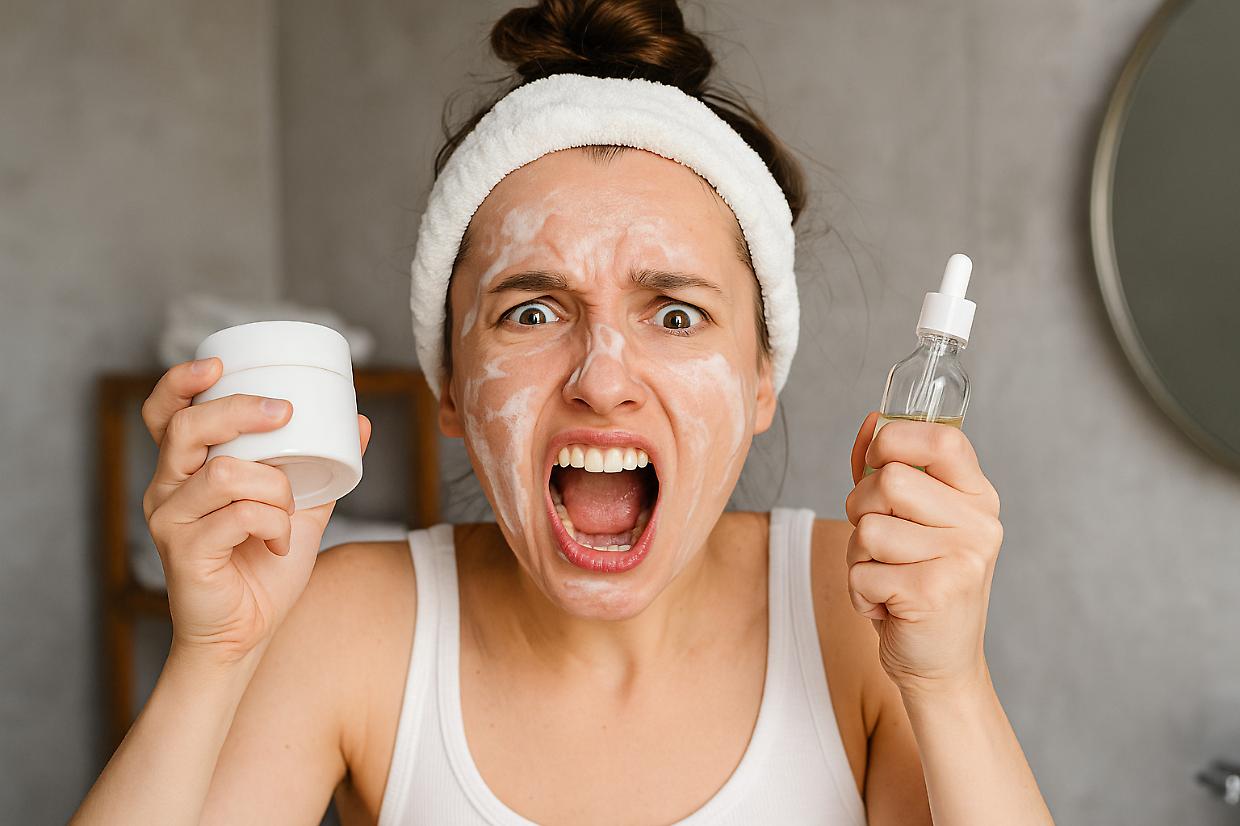
Beauty & Lifestyle is no longer simply about cosmetics, fashion, or following the latest trends. Today, it increasingly reflects a broader approach to feeling confident, caring for your body and mind, and choosing products and experiences that fit your individual needs. This shift is supported by the rapidly expanding beauty and wellness economy, with McKinsey estimating that the global beauty market could reach $590 billion by 2030, growing at around 5% annually.
What Does Beauty & Lifestyle Mean Today?
Modern Beauty & Lifestyle combines personal appearance with everyday wellbeing. Instead of treating beauty as a separate part of life, consumers are increasingly connecting skincare, haircare, nutrition, fitness, mindfulness, fashion, sleep, and self-care.
This change is particularly visible among younger consumers. McKinsey’s 2025 wellness research found that Gen Z and millennials increasingly view wellness as a daily and personalized practice rather than something reserved for occasional purchases or treatments.
In practical terms, this means a beauty routine might include:
- A simple skincare routine based on individual skin needs
- Regular exercise and movement
- Nutritious meals and adequate hydration
- Quality sleep and stress management
- Personal grooming and haircare
- Mindful shopping rather than buying every viral product
- Experiences that support relaxation and confidence
The result is a more holistic definition of beauty one that emphasizes how people feel as much as how they look.
Why Is the Beauty and Wellness Connection Growing?
One of the biggest changes in today’s Beauty & Lifestyle landscape is the growing overlap between beauty and wellness.
Consumers are increasingly interested in products and services that deliver multiple benefits. Skincare may focus on barrier health; supplements may target beauty from within, while spa treatments can combine relaxation with personal care.
McKinsey’s 2026 beauty research found that the definition of beauty is expanding beyond traditional categories such as skincare, cosmetics, haircare, and fragrance. Its analysis also identified significant markets in areas such as spa services, beauty supplements, sun care, bath and shower products, and aesthetic treatments.
The trend is not simply about spending more. It is about spending more intentionally.
Consumers are asking questions such as “Does this product work?” Is it suitable for me? Does it offer genuine value? Can this routine make my everyday life easier?
What Beauty Trends Should Consumers Watch?
Several trends are shaping the next generation of beauty and lifestyle choices.
1. Personalized Beauty
Generic routines are giving way to more personalized approaches. Consumers can increasingly choose products according to skin type, age, lifestyle, climate, hair texture, and specific concerns.
Personalization also creates opportunities for brands to use technology and AI to provide recommendations. However, trust remains essential. Beauty companies need to make recommendations that are useful, transparent, and credible, rather than simply using technology as a marketing gimmick.
2. Skinimalism and Simpler Routines
More products do not necessarily mean better results. Many consumers are moving toward simplified routines that prioritize essential products and consistent habits.
A basic routine may include cleansing, moisturizing, and daily sun protection, with additional products selected according to individual needs.
This approach can also make beauty more sustainable by reducing unnecessary purchases and product waste.
3. Beauty From Within
The boundaries between nutrition and beauty continue to blur. Beauty supplements, functional foods, and products marketed around skin, hair, and nail support are becoming increasingly visible.
McKinsey estimates the global beauty supplements category at around $140 billion, and its 2025 consumer research found that 41% of global consumers currently use beauty supplements, while nearly half of non-users are interested in the category.
Consumers should still evaluate claims carefully and distinguish between evidence-based benefits and marketing promises.
4. Sun Protection as Everyday Self-Care
Sun care is becoming a more important part of everyday personal care rather than something reserved for holidays.
McKinsey estimates the global sun-care market at approximately $17 billion in 2024, with projected growth of nearly 8% annually through 2030. Its research also found that 76% of global female consumers use sun-care products compared with 53% of global male consumers.
This highlights how sun protection is becoming increasingly integrated into daily beauty routines.
How Can You Build a Better Beauty & Lifestyle Routine?
The best routine is not necessarily the most expensive or complicated. It is the one that is realistic enough to maintain.
Start by identifying your priorities. Do you want healthier-looking skin, better energy, improved sleep, stronger hair, or simply more time for yourself?
Then build around a few consistent habits.
Morning: Start with hydration, basic skincare, sun protection, and movement.
During the day: Prioritize balanced nutrition, hydration, physical activity, and breaks from screens when possible.
Evening: Remove makeup or sunscreen, cleanse your skin, follow your essential skincare routine, and create a relaxing transition toward sleep.
Most importantly, avoid chasing every viral trend. A routine that works consistently is usually more valuable than a collection of products that rarely gets used.
Why Is Value Becoming More Important in Beauty?
The modern consumer is becoming more selective. McKinsey’s 2025 State of Beauty research found that consumers are increasingly scrutinizing whether beauty products actually deliver value, while product quality remains one of the most important purchase considerations.
That means successful Beauty & Lifestyle choices should prioritize effectiveness over hype.
Before purchasing a product or treatment, consider its ingredients, evidence, suitability, reputation, price, and expected benefits. Reviews can help, but they should complement, not replace, your own research.
The Future of Beauty Is Personal
The future of Beauty & Lifestyle is moving away from one-size-fits-all ideals and toward personalization, wellness, confidence, and intentional choices.
Beauty is becoming less about meeting an external standard and more about creating routines that help people feel comfortable and confident in their everyday lives.
For consumers, the opportunity is simple: choose fewer things, choose them thoughtfully, and build sustainable habits that support both appearance and well-being.
As the global beauty market continues to evolve toward 2030, the most successful trends will likely be those that combine genuine product performance, personal relevance, convenience, and a broader understanding of wellbeing.
The takeaway: looking good and living well do not have to be separate goals. The modern approach to beauty brings them together.


