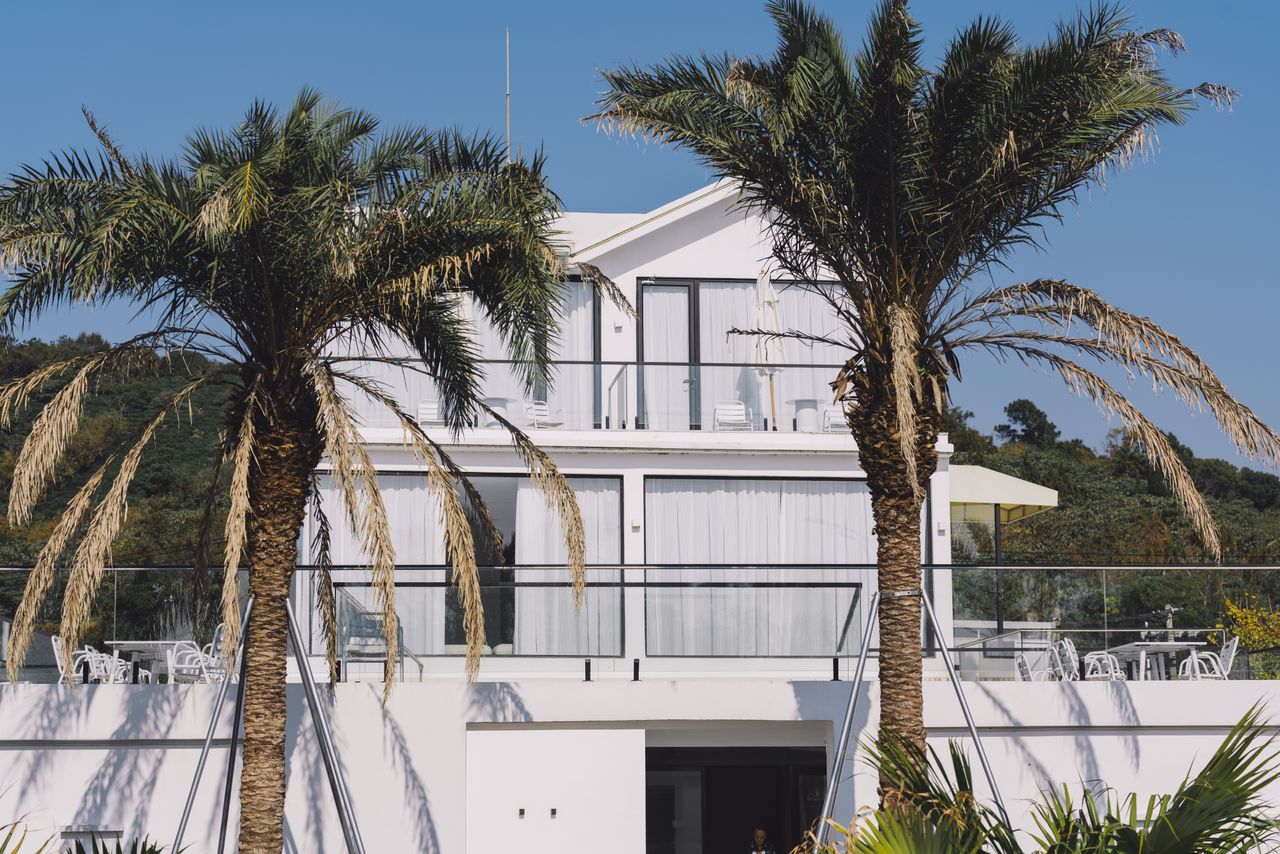
Luxury travel is continuously evolving, shaped by changing traveler expectations, broader global influences, and innovations within the hospitality sector. As 2026 unfolds, some distinct trends have emerged, particularly within the Mediterranean region, which remains a favored destination for affluent travelers seeking unique and memorable experiences. Beyond destination appeal, luxury travel now increasingly incorporates elements such as personalization, sustainability, and authentic cultural engagement.
Alongside these regional trends, major sports events are dramatically influencing hospitality and travel dynamics worldwide. These global gatherings foster innovative commercial partnerships and event travel models that cater to discerning travelers who seek both entertainment and premium service. This article takes a closer look at these intersecting themes, highlighting what luxury travelers and industry insiders can expect as the market continues to shift and adapt with these evolving priorities.
Current Luxury Travel Trends and Regional Comparisons
The luxury travel landscape in 2026 shows clear regional variations, with the Mediterranean standing out as a premier location noted for its blend of culture, climate, and exclusivity. Compared to other leading destinations such as the Caribbean or Southeast Asia, Mediterranean luxury travel emphasizes experiences rooted in history, gastronomy, and personalized service, creating a deeply immersive journey.
Read also: Prix immobilier à Bali guide détaillé des coûts par région en 2024
Travelers increasingly value destinations that offer not only relaxation but also meaningful connections to local traditions and environments. The Mediterranean’s temperate climate, ease of access from multiple international hubs, and a rich tapestry of historical sites contribute significantly to its ongoing appeal.
Mediterranean Luxury Travel versus Other Leading Destinations
The Mediterranean’s allure lies in its rich heritage and diverse coastal retreats, where travelers seek authentic local experiences alongside traditional luxury. Villas overlooking the sea, private yacht charters, and bespoke culinary tours are staples here, offering a lifestyle-centered approach to high-end travel that combines leisure with cultural enrichment.
In contrast, regions like the Caribbean lean towards resort-style indulgence focusing on tropical seclusion, expansive beachfront properties, and water sports that cater to families and couples seeking a tranquil getaway. Southeast Asia emphasizes wellness retreats and exotic cultural immersion, often blending adventure travel with spiritual and wellness practices that resonate strongly with younger luxury travelers.
These distinctions influence traveler preferences, with Mediterranean luxury travelers often prioritizing refined cultural engagements, long-established culinary traditions, and tailored personal services. This encourages service providers to innovate within these frameworks, blending modern luxury amenities with deep local ties to craft memorable and bespoke journeys that feel both exclusive and authentic.
Impact of Major Sports Events on the Hospitality and Travel Industry
Major sports events in 2026 have served as powerful catalysts for change in hospitality and travel sectors. Events like the FIFA World Cup have showcased the potential to attract not only passionate sports fans but also luxury travelers who integrate event attendance with upscale accommodations and exclusive experiences.
Such events drive demand for customized hospitality where guests expect seamless service that extends beyond the game itself. This includes premium seating, private viewing areas, and curated social experiences that blend the excitement of the event with leisure and relaxation.
Key Learnings from the 2026 FIFA World Cup on Hospitality
The 2026 FIFA World Cup demonstrated how hospitality providers can leverage large-scale events to push the boundaries of service delivery. Luxury hotels and accommodations around host cities adapted to meet specific needs: from offering longer-stay packages tailored to event schedules to creating VIP zones that enhance the match viewing experience in comfortable, elegant surroundings.
Technology played a key role in enhancing guest experiences, with mobile apps enabling personalized itineraries, fast-track access, and real-time updates on event-related activities. Moreover, the integration of local culture into hospitality packages—such as traditional cuisine, art exhibitions, and community-led tours—brought authenticity to the luxury experience.
This event also highlighted the importance of sustainable practices and local community involvement, as travelers increasingly seek experiences that align with responsible tourism values. The demand for seamless travel options, from transportation to dining, has encouraged a more integrated approach in hospitality operations, raising overall guest satisfaction through convenience and conscientious service.
Emerging Commercial Partnerships Driving Event Travel
The growth in demand for event travel has prompted new collaborations between travel providers, event organizers, and hospitality businesses. These partnerships create innovative service bundles and marketing approaches designed to attract luxury travelers by offering exclusive and comprehensive experiences.
Examples of Successful Partnerships in Event Travel
One illustrative example is the alliances formed between luxury hotel groups and sports organizations, where exclusive hospitality packages are curated for event attendees. These packages often combine premium tickets, gourmet dining, wellness experiences, and bespoke concierge services into one cohesive offering tailored for discerning guests.
Additionally, collaborations between airlines and local transportation companies ensure smooth transfers and personalized travel arrangements that prioritize comfort and convenience. Technology firms are also partnering with hospitality brands to enrich the guest experience through customized apps, virtual concierge services, and enhanced communication platforms that streamline event-related logistics and support real-time traveler needs.
These commercial collaborations reflect an industry-wide recognition that meeting the complex needs of luxury event travelers requires integrated and flexible solutions. They provide a blueprint for future initiatives aimed at blending travel convenience with high-end hospitality, ultimately setting new standards for premium event travel.
Conclusion
Looking ahead, luxury travel in 2026 is characterized by nuanced regional preferences and a growing influence of major sports events that continue to reshape hospitality offerings and traveler expectations. The Mediterranean remains a captivating destination, combining culture, climate, and exclusivity in ways that resonate deeply with luxury travelers.
Meanwhile, the impacts of global sports gatherings drive ongoing innovations in service delivery and commercial partnerships, emphasizing personalization, sustainability, and seamless experiences. For travelers and hospitality professionals alike, understanding and embracing these evolving dynamics will be essential for fully capitalizing on the opportunities and unique experiences that this year offers in the luxury travel landscape.


